Anastomosis in a live model
End-to-end, end-to-side and side-to-side in rat, with a demonstration before each hands-on session.
21st edition · Since 2006
Indications for bypass have narrowed, and with them the opportunities to practise it within one's own department. The course exists so that neurosurgeons reach the operating room having already performed the anastomosis.
Applied Anatomy Laboratory, Autonomous University of Madrid · IdiPaz experimental operating room
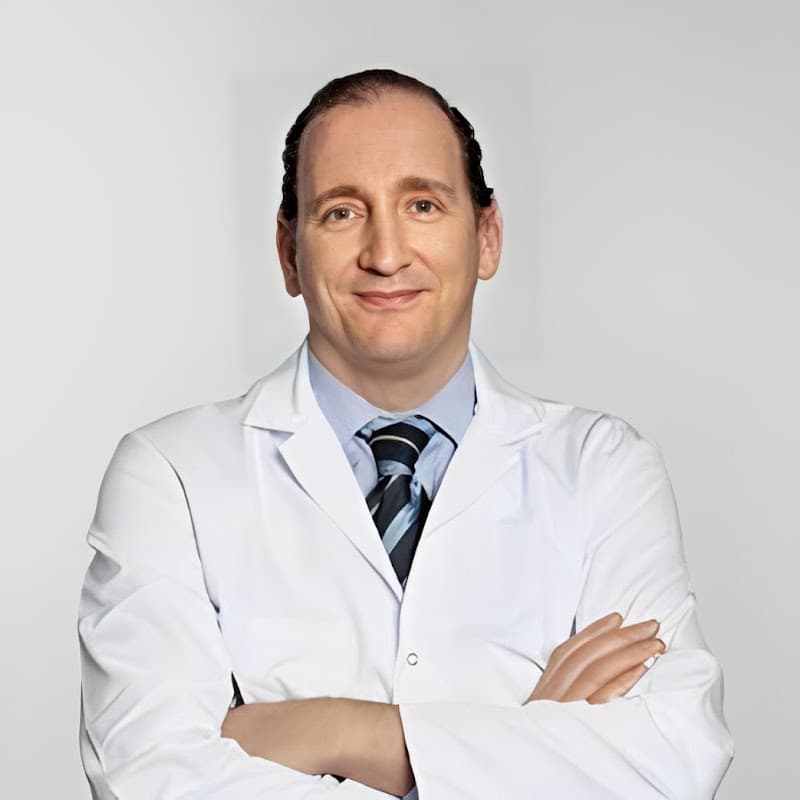
Course director
President of the Spanish Society of Neurosurgery (SENEC) and Head of Neurosurgery in Toledo since 2011.
Named on the Forbes list of the 100 best doctors in Spain in 2024, 2025 and 2026, winner of the 2024 Merco-Observatorio de Salud award in neurosurgery, and faculty member of the FEN Sapporo Live Microneurosurgery Course in Japan.
He has directed this course since 2006. During the week he performs four of the laboratory demonstrations himself and, on Saturday, gives his talk on arteriovenous malformations at the symposium.
What you take away
End-to-end, end-to-side and side-to-side in rat, with a demonstration before each hands-on session.
In the swine model, in the IdiPaz experimental operating room, after reviewing general technique and anterior and posterior circulation aneurysms.
From superficial temporal artery to middle cerebral artery bypass to grafts and intracranial-intracranial bypass, with their history and technique.
Chicken wing, vein microsuturing and arteriovenous fistulas in rat, and anastomosis in brain specimens on Saturday morning.
Who it is for
Practising neurosurgeons and senior residents who will face complex vascular disease: giant aneurysms, occlusive disease and revascularisation.
What is practised
Microsurgical anastomosis under magnification, and low- and high-flow bypass. The course also discusses when bypass is indicated, which graft to use and how to measure flow.
Why a course is needed
Because the learning that the department itself used to provide no longer comes on its own. The course has been held every year since 2006 and is a continuous school of the technique in Spain.
Four stages
Step 1 of 4
Craniotomy, dural opening and dissection of the recipient cortical branch. The donor is prepared to just the right length to reach without tension.
The lab
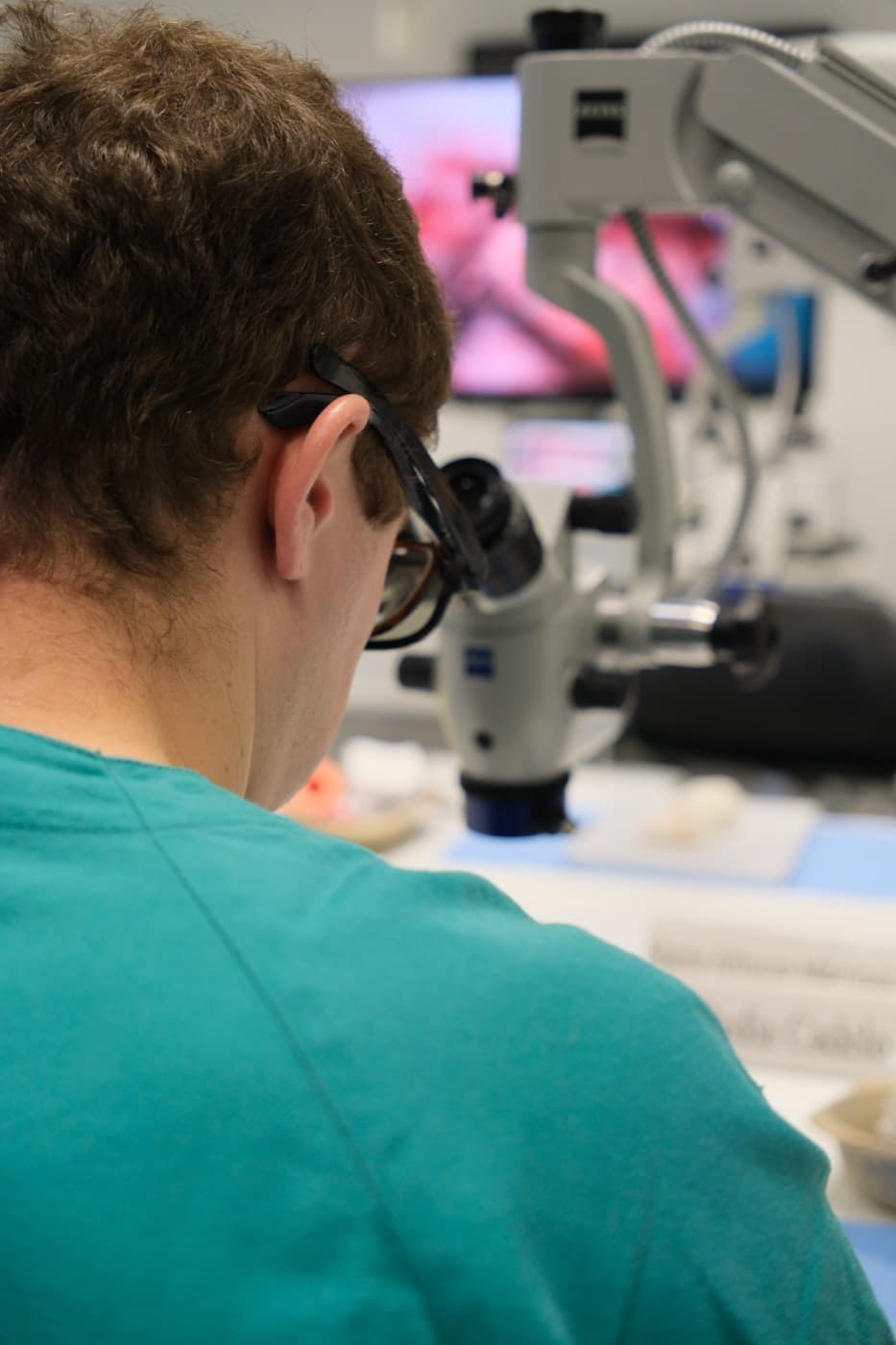
Each station has its own vascular training material, and the magnified field on screen makes it possible to follow the manoeuvre stitch by stitch.
The programme, day by day
In the 3D Hall of the Autonomous University of Madrid.
A surgical case is broadcast live during the day.
Invited faculty
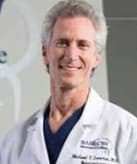
Phoenix, United States
President and CEO of the Barrow Neurological Institute and chair of its Department of Neurosurgery.
More than 5,400 aneurysms and more than 800 bypasses operated on. AANS Cushing Award in 2023 and author of Seven Aneurysms, Seven AVMs and Seven Bypasses. Co-directs the Barrow's West-East vascular neurosurgery course with Tanikawa.
At the symposium · 18:30Seven AVMs
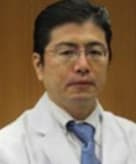
Sapporo, Japan
Vice President of Sapporo Teishinkai Hospital and director of its Stroke Center.
Co-directs the Barrow's West-East course with Lawton, where he teaches skull base and posterior circulation bypass.
At the symposium · 16:30Surgical treatment of acute ischemia
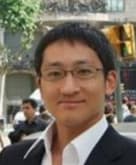
Sapporo, Japan
Neurosurgeon at the Stroke Center and the Far East Neurosurgical Institute of Sapporo Teishinkai Hospital.
Author of nearly a hundred scientific papers, most of them with Tanikawa.
At the symposium · 17:00Following Kamiyama. The art of microvascular neurosurgery
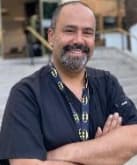
Santiago, Chile
Professor at the University of Chile and head of Cerebrovascular and Skull Base Surgery at the Asenjo Neurosurgery Institute.
President of the Chilean Society of Neurosurgery in 2022 and 2023.
At the symposium · 15:30Cavernous sinus as a corridor. MIPLATTA
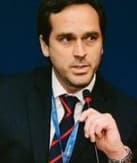
Buenos Aires, Argentina
Neurosurgeon at Hospital El Cruce and the German Hospital of Buenos Aires.
In 2025 he published a second-generation bypass technique in Operative Neurosurgery.
At the symposium · 17:30Microsurgery of AVMs
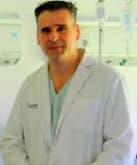
Stanford, United States
Department of Neurosurgery, Stanford University.
Trained at Hospital El Cruce in Buenos Aires.
At the symposium · 15:00Anatomical study in the lab. The path for imperfection
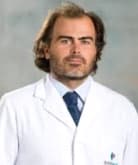
Palma de Mallorca, Spain
Neurosurgeon in Palma de Mallorca.
Co-author of published microsurgical training models: the perfused chicken wing (2009) and the swine aneurysm model (2011).
At the symposium · 16:00Training in neurosurgery. How to become a master
Saturday 19 · 15:00 to 19:00, Madrid time
The last afternoon of the course is the symposium. Unlike the course, it can be followed online, it is free and it is open to any neurosurgeon. There are eight talks:
There are twenty in-person places. Leave your details and continue to the course technical secretariat's registration form.
“The balance between both worlds will not come about by inertia: we must build it. Educating, training, inspiring the new generations, even in a context in which vocations seem more fragile and where technological immediacy can dazzle more than depth of learning.”Dr. Francisco González-Llanos · Anuario iSanidad · May 2026 · translated from Spanish